
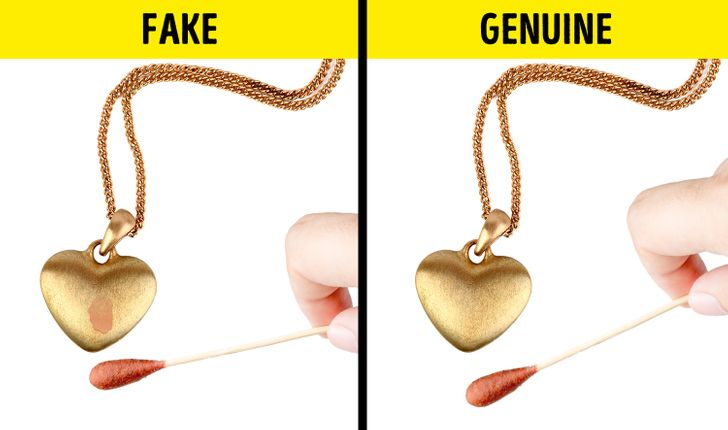
How to identify original jwellery
Identifying original jewelry involves
examining various factors such as the materials used, craftsmanship, hallmarks,
and sometimes even consulting with professionals. Here are some steps and tips
to help identify original jewelry:
1. Examine
Hallmarks and Stamps
- Hallmarks: Look
for stamps on the jewelry that indicate the metal content (e.g., 925 for
sterling silver, 750 for 18K gold). These are often found on the inside of
rings, clasps of necklaces, or the backs of pendants.
- Maker’s Marks: Many
jewelers have unique marks or signatures.
- Certification Marks: Some
pieces might have marks from gemological institutes or other certification
bodies.
2. Check
the Metal
- Magnet Test:
Precious metals like gold, silver, and platinum are not magnetic. If a
piece is attracted to a magnet, it’s likely not made of precious metal.
- Weight: Precious metals have a significant
weight. If the piece feels too light, it might be made of a cheaper
material.
3. Inspect
the Stones
- Clarity and Color:
Genuine gemstones usually have imperfections or inclusions, while fake
ones are often flawless. The color of real stones is also often more
vibrant.
- Cut and Setting:
Well-cut stones will reflect light uniformly. Genuine stones are usually
securely set, while fake ones may have less secure settings.
4. Craftsmanship
- Quality of Workmanship:
Examine the piece for quality craftsmanship. Original jewelry will have
well-finished edges, smooth surfaces, and secure settings.
- Design Details:
High-quality pieces often have intricate designs and details that are hard
to replicate.
5. Professional
Evaluation
- Jeweler’s Assessment: A
professional jeweler can provide a detailed analysis and confirm the
authenticity of the piece.
- Appraisal: Get
the piece appraised by a certified appraiser, who can provide a document
verifying its authenticity and value.
6. Documentation
and Provenance
- Receipts and Certificates:
Original jewelry often comes with documentation such as certificates of
authenticity, receipts, or appraisal reports.
- Provenance:
Knowing the history or previous ownership of a piece can add to its
authenticity.
7. Chemical
Tests
- Acid Tests: Specific
acid solutions can test the purity of gold, silver, and platinum.
- Professional Testing: Some
jewelers use electronic testers to determine metal content and gem
authenticity.
8. Look for
Signs of Wear
- Patina: Genuine precious metals develop a
natural patina over time.
- Wear Patterns:
Consistent wear in expected areas (like the back of a ring) can indicate
authenticity.
9. Compare
with Known Originals
- Reference Pieces:
Compare the jewelry with known originals or pieces from reputable sources
to spot differences.
- Online Databases: Some
brands and institutions have online databases to verify jewelry pieces.
Conclusion
Identifying original jewelry can be complex,
especially with high-quality fakes in the market. Combining these methods and
consulting with professionals when in doubt is the best approach to ensure
authenticity.